For patients, receiving an osteoporosis diagnosis can feel overwhelming. Medical terminology, complex risk assessments and uncertainty about treatment often make this a daunting journey.1 For those at very high fracture risk (VHFR), the challenge is even greater. Patients with recent or multiple fractures or very low bone density require urgent secondary prevention. However, many face barriers to fracture prevention services, including poor coordination between hospitals and primary care, unclear follow-up responsibilities between healthcare providers and under-recognition of osteoporosis in primary care.2
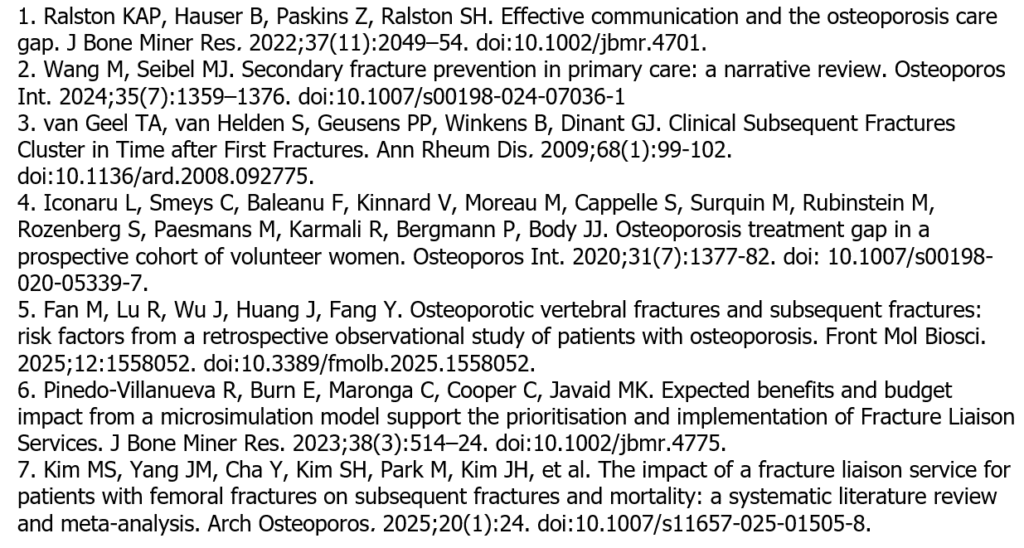
A first fragility fracture is not an isolated injury but a critical warning sign: 50% of all subsequent fractures occur within 2 yrs of the first.3 Despite international guidelines in osteoporosis treatment, many patients at VHFR do not receive appropriate intervention2, with as many as 80% of patients remaining untreated following a fracture.4 This risk poses a real danger to patients, threatening both independence and quality of life.5 Empowering patients to take an active role in their care is essential to closing this gap, helping ensure that those at very high fracture risk not only understand their imminent risk but also receive the treatment best suited to their individual needs and preferences.
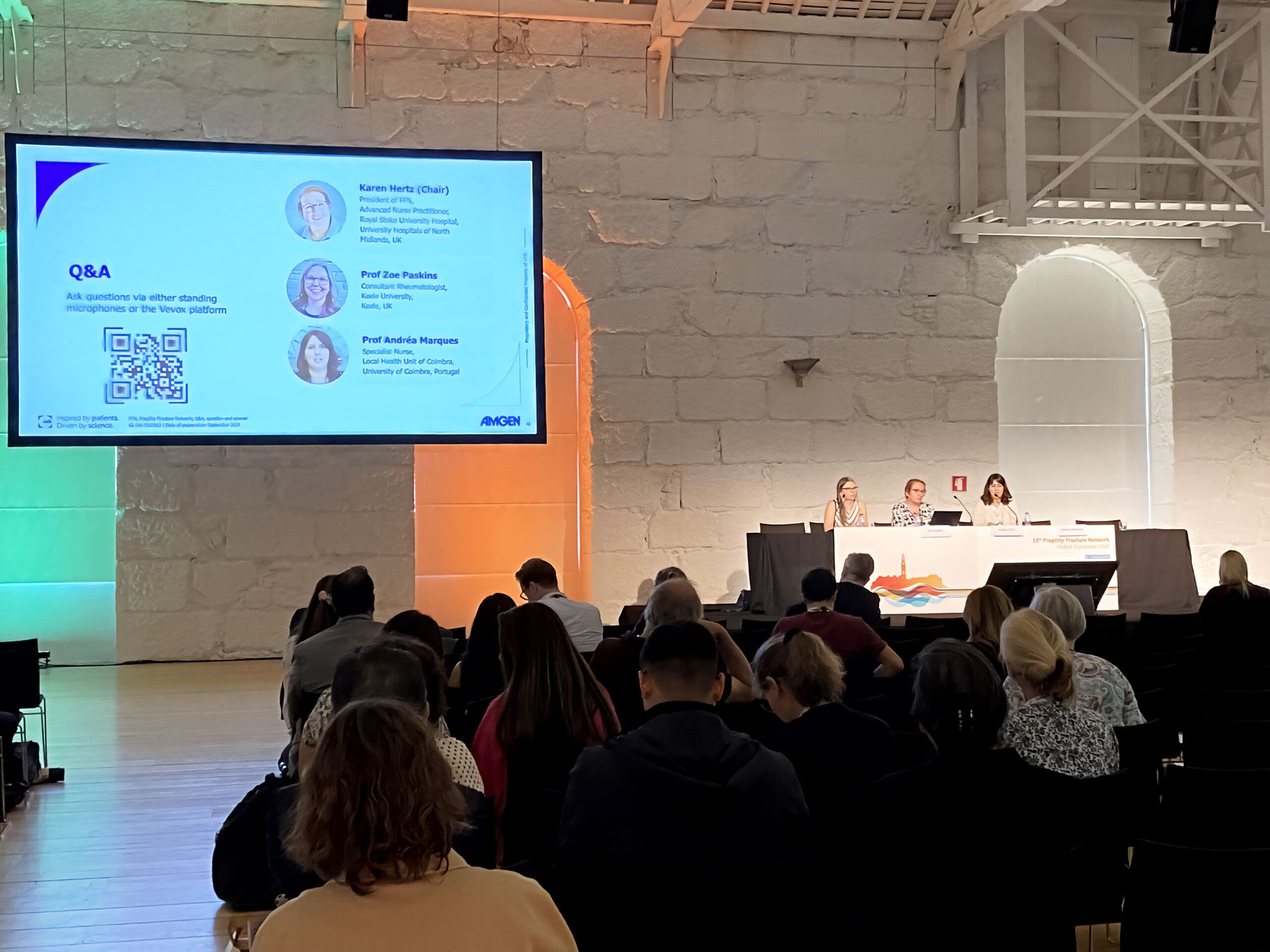
At the UCB symposium in October at the 13th Fragility Fracture Network (FFN) Global Congress 2025, held in Porto, Portugal, leading experts Prof Andréa Marques, Prof Zoe Paskins, and Karen Hertz led an important discussion on the role of shared decision-making in osteoporosis care. The session highlighted the critical role of engaging patients at the moment of diagnosis — ensuring that those at VHFR are supported to make informed choices about treatment. Prof Marques emphasised that the key to effective care is how we communicate with patients. She suggested a practical framework to guide these conversations, helping clinicians explain fracture risk clearly, support patients in weighing treatment options, and encourage proactive steps for bone health for both patients and their families. Prof Paskins emphasised the need for high-quality support tools to help clinicians and patients navigate complex treatment decisions. Collectively, the speakers shared practical, evidence-based strategies for improving fracture risk communication, integrating decision-support tools into routine practice and engaging patients in a way that resonates with their personal concerns and values. By moving beyond information delivery to open dialogue, participants were encouraged to empower patients to take an active role in their care journey.
The insights from Porto underscore the clinical potential of embedding patient-centred approaches into everyday care. Fracture Liaison Services (FLSs) are coordinator-led, evidence-based programs that systematically identify, assess, and treat patients after a fragility fracture resulting in improved long-term outcomes. At their core, FLSs embrace shared decision-making principles by collaborating closely with patients to balance their individual preferences with evidence-based practices — helping them understand their risk, supporting patients through treatment decisions, and ensuring systematic follow up to facilitate adherence. The impact of this can be transformative; evidence shows that FLSs reduce refractures, improve treatment uptake, and ease healthcare burdens by lowering hospital stays, surgical demand, and long-term care needs.6 For patients with VHFR, FLSs can provide the structured, patient-centred approach needed to break the cycle of fractures.7
To help clinicians translate these principles into practice, the Fracture Liaison Service Academy & Network (FAN) offers education, mentorship and peer-to-peer exchange to healthcare professionals setting up or looking to enhance their FLS.
Register for FAN and explore practical tools and a peer community that can support the development of FLSs and improve patient-centred care for osteoporosis patients. Together, let’s create a world free from fractures.
This post is provided by UCB.

© 2026 Global Fragility Fracture Network | All Rights Reserved I Designed by Aaron Knight