

The FFN Orthogeriatric Educational Modules provide comprehensive, interdisciplinary learning on evidence-based care for older people with fragility fractures. Through interactive case studies, real-world scenarios, and expert insights, the flexible self-paced courses help healthcare professionals apply learning directly to clinical practice.

Early and continued mobilisation after hip fracture is associated with lower mortality, fewer complications, and better preservation of functional independence. However, practice varies because of differences in pain management, staffing, routines, and staff confidence. This module presents the evidence and practical strategies for using structured protocols, clear communication, and interdisciplinary teamwork to support safe, timely mobilisation in routine care.
This module is designed for interdisciplinary healthcare workers, social care staff, and both paid and unpaid care workers involved in acute and post-acute hip fracture care.

Up to half of patients with hip fracture are malnourished on admission, and this may rise to two-thirds by discharge without targeted nutritional support. Malnutrition contributes to complications, delayed recovery, poorer outcomes, and increased healthcare costs, yet recommended practices are not consistently applied. This module helps teams translate evidence into daily care by increasing delivery of the practical SIMPLER Six nutrition actions.
This learning opportunity is highly relevant for interdisciplinary health professionals involved in acute care, rehabilitation, secondary prevention, and health policy and planning.

Delirium is a serious and rapidly developing condition, particularly common among older adults recovering from fragility hip fracture surgery, making early recognition and intervention essential. This module helps care teams identify delirium, understand its impact, and apply person-centred interventions that improve patient safety and outcomes.
This learning opportunity is essential for everyone who works with patients at risk of delirium, including the clinical interdisciplinary team, support staff, and others who interact with patients and their families. It is particularly relevant for those caring for older adults and patients recovering from fragility fractures or related surgery.
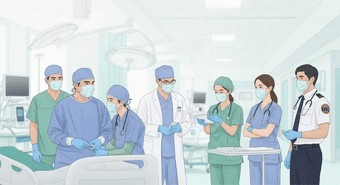
Timely hip fracture surgery is a key measure of care quality and can improve recovery, reduce complications, shorten hospital stays, and support better health system performance. Delays often result from challenges in assessment, medical optimization, coordination, and resource availability. This module explains evidence-based time-to-surgery benchmarks, common barriers, and practical strategies for delivering safe, coordinated, and timely care across diverse settings.
This module is intended for interdisciplinary professionals involved in delivering, coordinating, managing, or improving hip fracture care. It is relevant to clinical teams, hospital leaders, operational managers, administrators, and quality-improvement professionals working across the entire patient pathway.
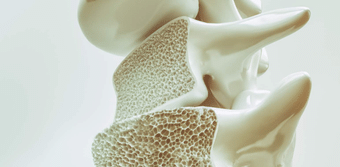
Osteoporotic fractures indicate underlying bone fragility and a high risk of future fractures, yet many professionals involved in fracture care have limited training in osteoporosis and bone health. This module provides interdisciplinary teams with foundational knowledge and practical communication tools to support patients across acute care, rehabilitation, and secondary prevention. It aims to improve patient education, follow-up coordination, and integration of secondary fracture prevention into routine practice.
This module is designed for interdisciplinary health professionals, including nurses, physiotherapists, occupational therapists, and primary care providers, who are involved in the care of individuals with osteoporosis and fragility fractures. It is particularly relevant for those working across acute, rehabilitation, and secondary prevention settings who play a role in patient education, care coordination, and long-term fracture prevention.
© 2026 Global Fragility Fracture Network | All Rights Reserved I Designed by Aaron Knight
