A recent systematic review highlights a challenge that many clinical teams will immediately recognise: Despite strong evidence that nutritional care improves perioperative outcomes, it is still not delivered consistently in everyday practice.
In their review, de Klerk et al. (Clinical Nutrition, 2025) examined how beneficial nutritional interventions can be successfully implemented in the perioperative setting. Their findings move beyond what works, focusing instead on how to make it work in real-world clinical environments.
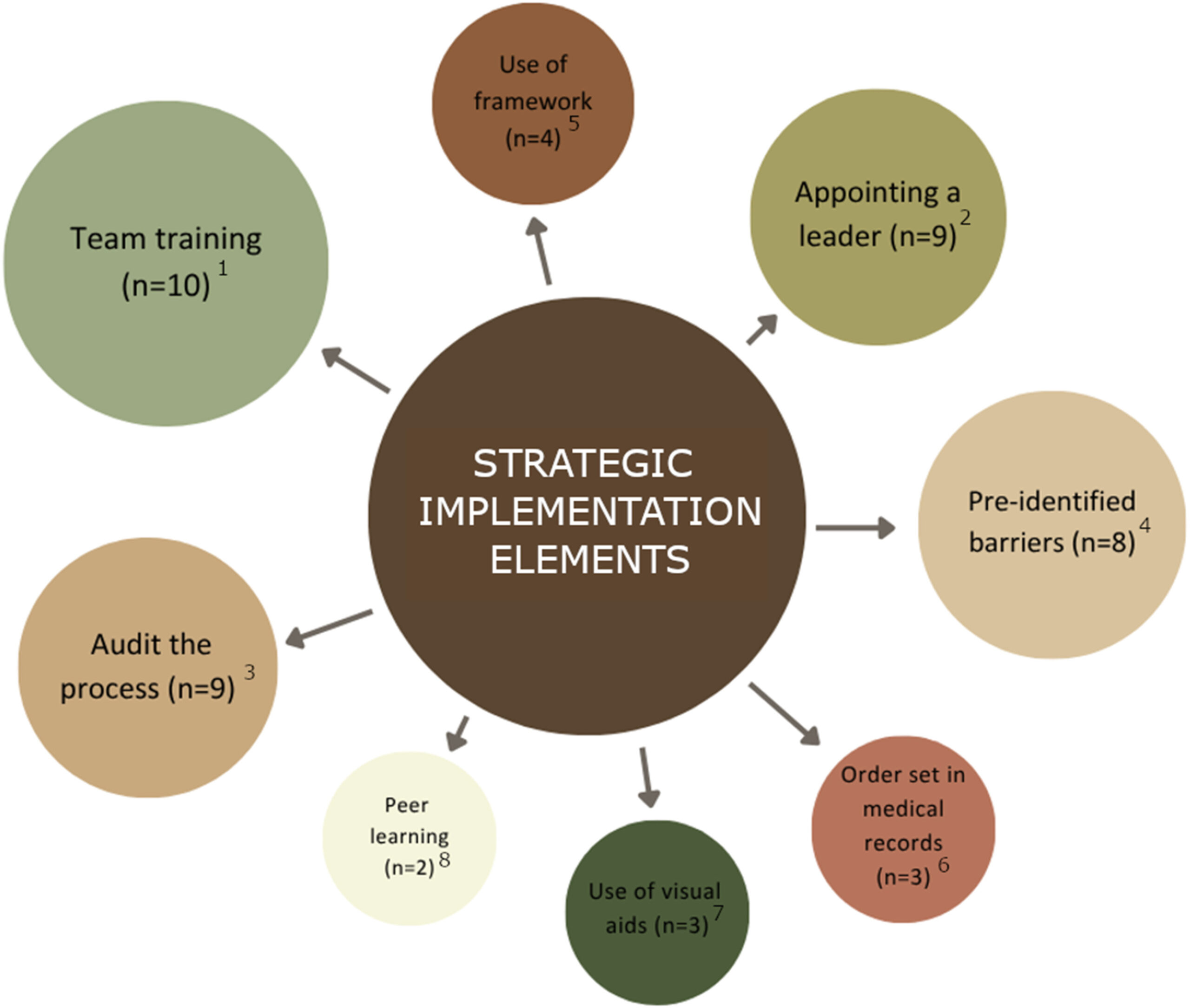
Across the included studies, eight key strategic elements emerged as critical for successful implementation:
Structured team training to support new protocols
Clear assignment of leadership and responsibility
Ongoing audit and feedback on care processes
Early identification and targeted management of barriers
Use of established implementation frameworks
Deployment of visual aids to reinforce practice
Integration into electronic medical records (e.g. order sets)
Learning from peers with hands-on experience
Importantly, no single strategy was sufficient on its own. Success was consistently associated with multifaceted approaches—where several of these elements were combined and tailored to local workflows, resources, and barriers.
Read the article here.
© 2026 Global Fragility Fracture Network | All Rights Reserved I Designed by Aaron Knight