A Swedish university hospital conducted a multiyear intervention aimed at preventing catheter-associated urinary tract infections and bladder distension in older adults hospitalized with hip fractures. The initiative, called Safe Bladder, was grounded in theories of organizational culture, leadership, and integrated knowledge translation, seeking to change healthcare professionals’ routines and underlying assumptions about catheter care. Over a five-year period, nurses and nurse assistants from six hospital units participated in learning laboratories, simulation sessions, and collaborative meetings designed to foster reflection, skill development, and shared responsibility for infection prevention.
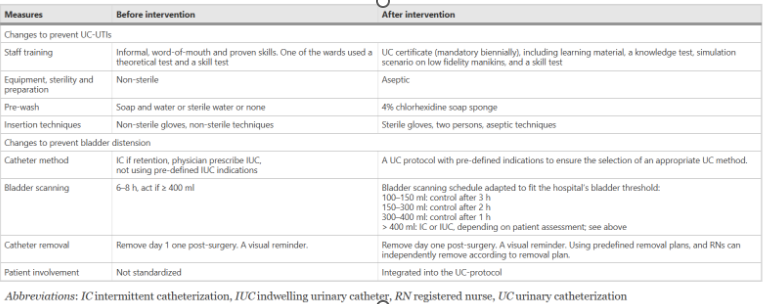
Through these activities, the team co-created two main innovations: a urinary-catheter certificate that standardized theoretical and practical training, and a nurse-driven catheterization protocol that guided decision-making about catheter use and removal. The process evaluation, guided by the Medical Research Council framework, combined qualitative and quantitative data collected between 2016 and 2020. The study found that the intervention was feasible, acceptable, and implemented with good fidelity, despite the complexity and time required.
Completion of the catheter certificate reached 56% of nursing staff, and adherence to the new protocol was achieved for all 586 patients assessed during the study period. As a result, the incidence of catheter-associated urinary tract infections decreased from 18% to 4%, while the rate of bladder distension fell from 41% to 9%. Factors that facilitated change included regular feedback on patient outcomes, opportunities for collective reflection, and a psychologically safe learning environment. Major barriers were workforce shortages, production pressures, and limited experience in interdepartmental collaboration.
The authors emphasize that implementing preventive measures for urinary complications is possible but resource-intensive, requiring strong leadership, flexibility, and sustained engagement across all levels of the organization. The findings demonstrate that interventions integrating cultural change, continuous learning, and shared ownership can significantly improve patient safety and the quality of catheter care in complex hospital environments.
© 2026 Global Fragility Fracture Network | All Rights Reserved I Designed by Aaron Knight