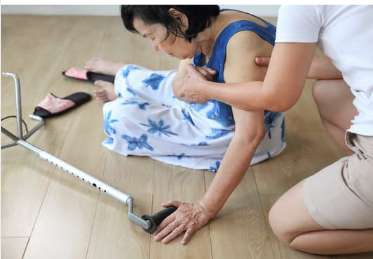
Falls prevention requires a comprehensive, patient-centered approach combining exercise, home safety modifications, and personalized risk assessments. The aim of this set of reviews was to inform recommendations by the Canadian Task Force on Preventive Health Care (task force) on fall prevention interventions for community-dwelling older adults regarding: (i) the benefits and harms of interventions, (ii) how patients weigh the potential benefits, and (iii) patient preferences for different types of interventions. The databases searched were MEDLINE, Embase, AgeLine, CENTRAL, PsycINFO and CINAHL and resulted in 290 studies.
The results of the review showed that evidence is most certain for benefit, at least over 1–2 years, from supervised, long-duration balance/resistance and group Tai Chi interventions, whole-body vibration, high-intensity/dose education or cognitive-behavioral therapy, and interventions of comprehensive multifactorial assessment with targeted treatment plus home-hazard assessment, home-hazard assessment plus exercise, or education provided to everyone. Adding other interventions to exercise does not appear to substantially increase benefits. Overall, effects appear most applicable to those with elevated fall risk. Specifically for single-component walking interventions, the review suggests caution when considering these programs for individuals, especially those at elevated risk of falls
For intervention preferences, exercise focusing on balance/resistance, particularly when offered using an individual format, appears to be clearly preferred over tai chi and other forms of exercise (e.g., yoga, aerobic). Preferences for group versus individual delivery of exercise programs in general probably vary among people, though there was high certainty that individual balance/resistance programs were clearly preferred over group-based programs.
According to the authors: ‘Data on more patient-important outcomes including fall related fractures and adverse effects would be beneficial, as would studies focusing on equity-deserving populations and on programs delivered virtually’.
© 2026 Global Fragility Fracture Network | All Rights Reserved I Designed by Aaron Knight