A recent study has shed light on the differences between intracapsular (ICF) and extracapsular (ECF) hip fragility fractures (HFF) in older adults, suggesting they may be distinct conditions rather than variations of the same disease. The systematic review and meta-analysis analyzed 51 studies conducted over 44 years, involving 129,075 subjects from 19 countries across five continents. The findings highlight key differences in epidemiological, demographic, diagnostic, and therapeutic aspects of these fractures.
Some key findings include:
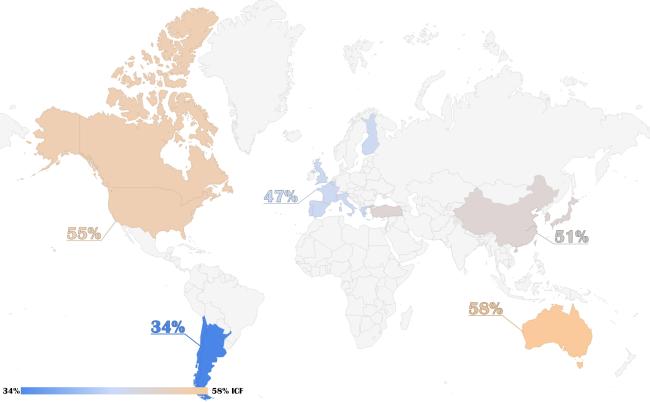
Epidemiological Differences: ICF accounts for 53% of global HFF cases, while ECF makes up 47%.
– Geographic Variations:
Europe and South America report higher ECF frequencies while Oceania and North America show more ICF cases. Asia shows no significant difference between ICF and ECF.
– Demographic Trends:
ECF occurs at an older average age (83 years) compared to ICF (80.5 years) but there is no significant differences in sex distribution between ICF and ECF.
Diagnostic and Therapeutic Differences:
– Blood parameters revealed notable differences: ICF patients had higher haemoglobin and albumin levels, while ECF patients had higher parathyroid hormone (PTH) levels.
– Surgical treatments differ significantly with ICF typically treated with arthroplasty, while ECF managed with osteosynthesis.
Recognizing ICF and ECF as distinct conditions could lead to more targeted prevention strategies, improved treatment outcomes, and better resource allocation. For future researches, the authors recommend standardizing terminology, separating the two fracture types in studies, and conducting further investigations into physiological, genetic, and histopathological factors to better understand their differences. This study emphasizes the importance of tailoring prevention and treatment strategies to the specific type of fracture, which could significantly improve patient outcomes and reduce the clinical and
economic burden of hip fragility fractures.

Figure: Anatomical classification of hip fragility fractures and correspondent synonymy.
Read the article here: Hip Fragility Fractures: One Or Two Pathologies? A Systematic Review and Meta-Analysis of Demographic, Diagnostic and Therapeutic Aspects
© 2026 Global Fragility Fracture Network | All Rights Reserved I Designed by Aaron Knight