New research highlights the potential of food-based nutrition interventions for older adults returning home from hospital.
Malnutrition is a major concern for older adults following hospitalisation, contributing to muscle loss, reduced physical function, delayed recovery, and increased risk of readmission. Yet nutritional care frequently becomes fragmented once patients leave hospital, despite their ongoing nutritional needs.
A recent scoping review by Rushton and colleagues (2026), published in Nutrients, examined the evidence for food-based nutrition interventions among older adults who were malnourished or at risk of malnutrition following hospital discharge.
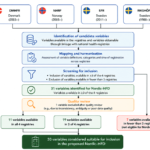
The researchers screened 4,086 records and included 11 publications representing seven independent studies. Interventions included home-delivered meals, food provision, and food fortification, sometimes combined with individualised nutrition plans, dietary counselling, nutritional supplements, or follow-up support.
The findings suggest that food-based interventions, particularly when integrated into multicomponent nutrition care, such as education, individualised care planning, and oral nutritional supplementation, may improve nutritional intake, body weight, physical function, quality of life, and psychological well-being. Some studies also reported reductions in hospital readmissions.
However, the authors emphasised that the evidence remains limited. Most studies involved small patient populations, interventions differed considerably, and the benefits of food-based approaches could not always be distinguished from those of other nutritional support measures.
The review therefore highlights both the potential benefits of continuing nutrition support after discharge and the need for stronger research to identify the most effective approaches.
Read the article here.
From Evidence to Practice: The SIMPLER Sixth Action
For patients recovering from fragility fractures, hospital discharge should not mean the end of nutritional care. Many older adults continue to face nutritional challenges during rehabilitation, when adequate energy and protein intake remain important for recovery.
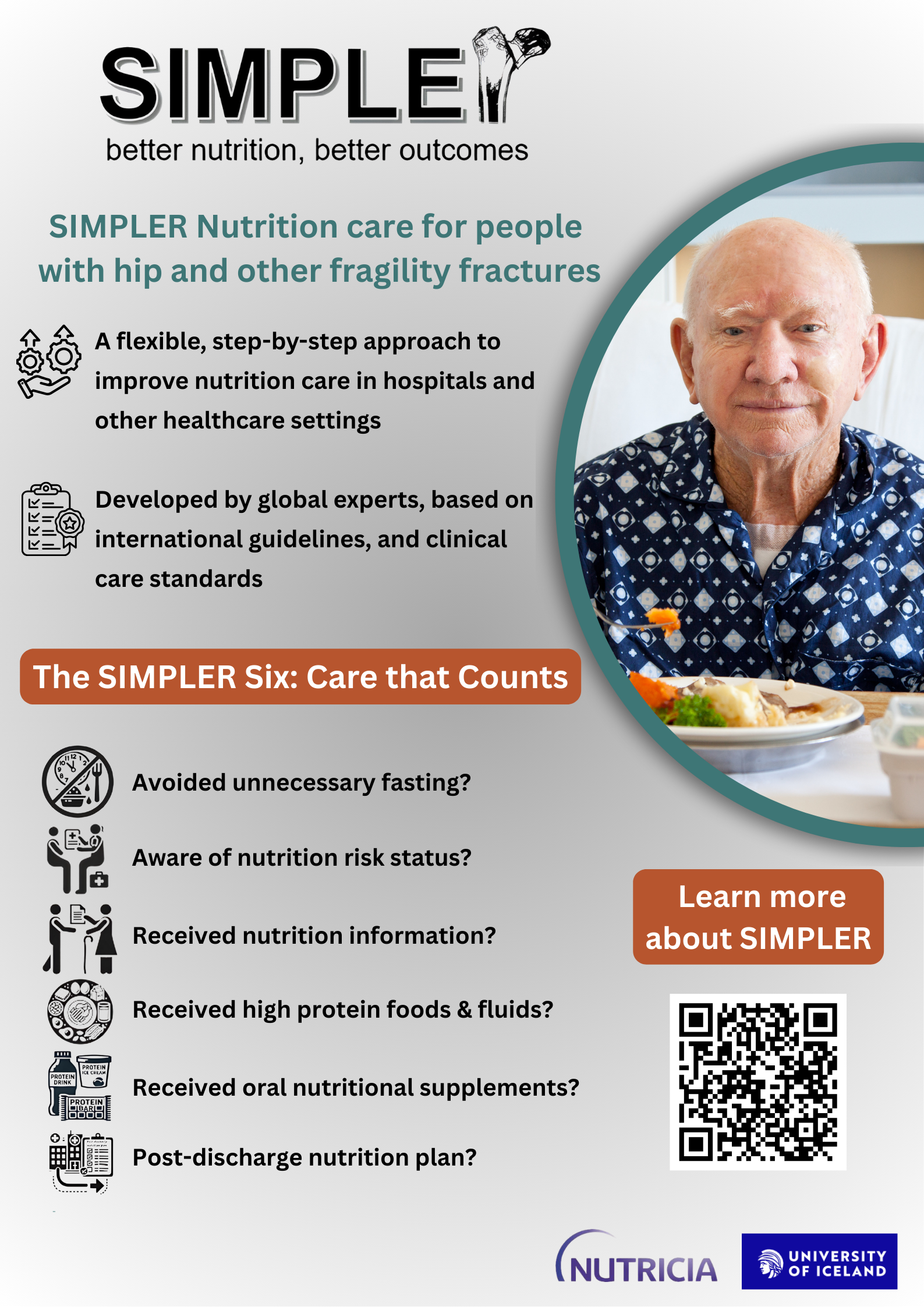
This is precisely the gap addressed by the sixth action of the FFN SIMPLER Nutrition Pathway:
“Received a post-discharge nutrition plan?”
A recent survey of FFN members across more than 20 countries found that most respondents believed that fewer than half of hip fracture patients who remain malnourished or at risk of malnutrition receive a post-discharge nutrition plan.
These perceptions highlight an important concern about continuity of nutritional care and reinforce the need for practical, coordinated approaches extending beyond hospital discharge.
Closing this gap will be a strategic priority for FFN over the next two years, with a focus on translating evidence into practice and improving continuity of nutrition care beyond hospital discharge.
For a practical toolkit on improving post-discharge nutrition care planning, as well as guidance on the other five SIMPLER actions, visit:
www.fragilityfracturenetwork. org/SIMPLER
If you would like free assistance or support from regional SIMPLER experts, email communications@ fragilityfracturenetwork.org with the subject line SIMPLER.
© 2026 Global Fragility Fracture Network | All Rights Reserved I Designed by Aaron Knight