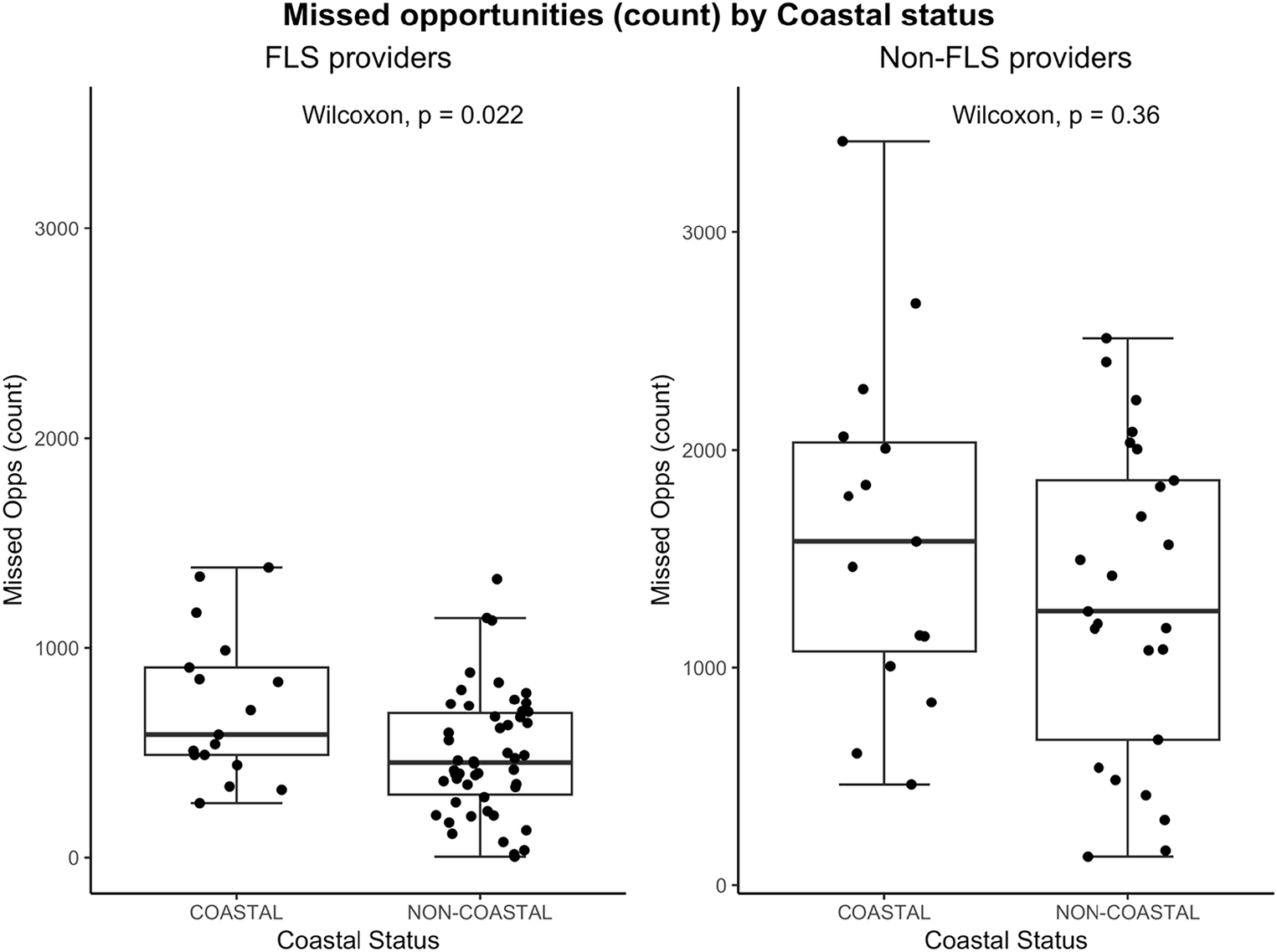
A recent cross-sectional ecological study published in Archives of Osteoporosis examined whether secondary fracture prevention differs between coastal and non-coastal healthcare settings in England and Wales. Using national audit data from the Fracture Liaison Service Database (FLS-DB) and the National Hip Fracture Database (NHFD), the authors evaluated the provision and quality of Fracture Liaison Services (FLSs), which are designed to identify and treat patients at risk of subsequent fragility fractures.
The study included 116 healthcare providers, comprising 76 FLS providers and 40 non-FLS providers. Coastal and non-coastal services were compared using measures such as missed treatment opportunities, fracture identification rates, and osteoporosis treatment recommendations.
Key Findings
These findings highlight inequalities in the quality of secondary fracture prevention in coastal communities. The authors recommend recognizing fragility fracture prevention as a coastal health priority and strengthening FLS provision through targeted resources and support to address these gaps.
Read the paper here.
© 2026 Global Fragility Fracture Network | All Rights Reserved I Designed by Aaron Knight