A recent study published in the European Geriatric Medicine journal reported on an international quality improvement (QI) initiative led by the European Academy for Medicine of Ageing (EAMA), aimed at strengthening osteoporosis treatment and fall prevention in orthogeriatric care across Europe. The project involved six orthogeriatric units in Finland, Germany, Italy, Malta, Portugal, and Romania and utilized the Plan–Do–Check–Act (PDCA) framework to address common gaps in secondary fracture prevention.
The initiative focused on two key priorities: improving post-fracture osteoporosis treatment and increasing referrals to fall prevention programs. To achieve these goals, participating centres implemented three main strategies: multidisciplinary staff education, patient and caregiver engagement through educational materials, and the development of standardized clinical protocols and referral pathways.
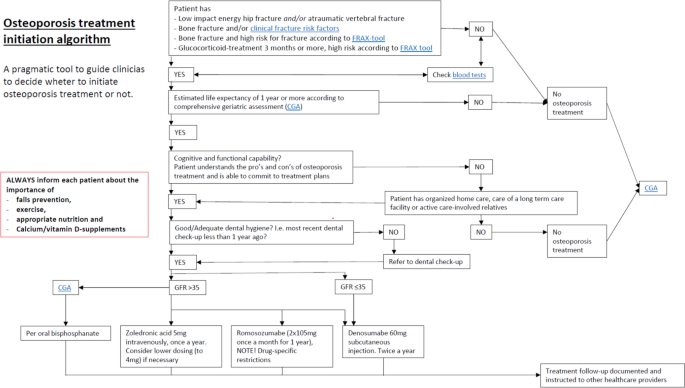
More than 250 healthcare professionals participated in training workshops, while over 500 educational materials were developed and distributed. The project also introduced standardized osteoporosis treatment algorithms and fall-risk assessment protocols tailored to local healthcare settings.
Key Outcomes
• Portugal and Finland reported increased osteoporosis treatment initiation rates following the implementation of a standardized osteoporosis management algorithm.
• Approximately 100 osteoporosis treatments were initiated in Finland, while Portugal successfully piloted the inpatient administration of zoledronic acid after hip fracture surgery.
• Malta strengthened its existing bone health clinic through enhanced multidisciplinary collaboration and protocol development.
• Italy and Romania established dedicated fall prevention clinics within geriatric departments.
• Germany introduced a rapid fall-risk screening tool and new standard operating procedures for inpatient fall prevention.
• Patient and caregiver understanding of osteoporosis management and fall prevention improved, with some centres reporting that all surveyed participants felt better informed.
• Healthcare professionals reported high satisfaction with the educational programs and greater confidence in implementing evidence-based practices.
The authors concluded that a structured, low-cost, and scalable quality improvement model can successfully enhance orthogeriatric care across diverse healthcare systems. By combining education, protocol standardization, and patient engagement, the initiative demonstrates a practical approach to reducing treatment gaps and strengthening secondary fracture prevention.
Read the article here.
© 2026 Global Fragility Fracture Network | All Rights Reserved I Designed by Aaron Knight