A nationwide cohort study in England investigated the risk of reoperation within one year following hip fracture surgery. The study included 164,691 patients aged 60 years and older who were treated between 2016 and 2019 across 159 hospitals, using linked anonymized routinely collected healthcare datasets.
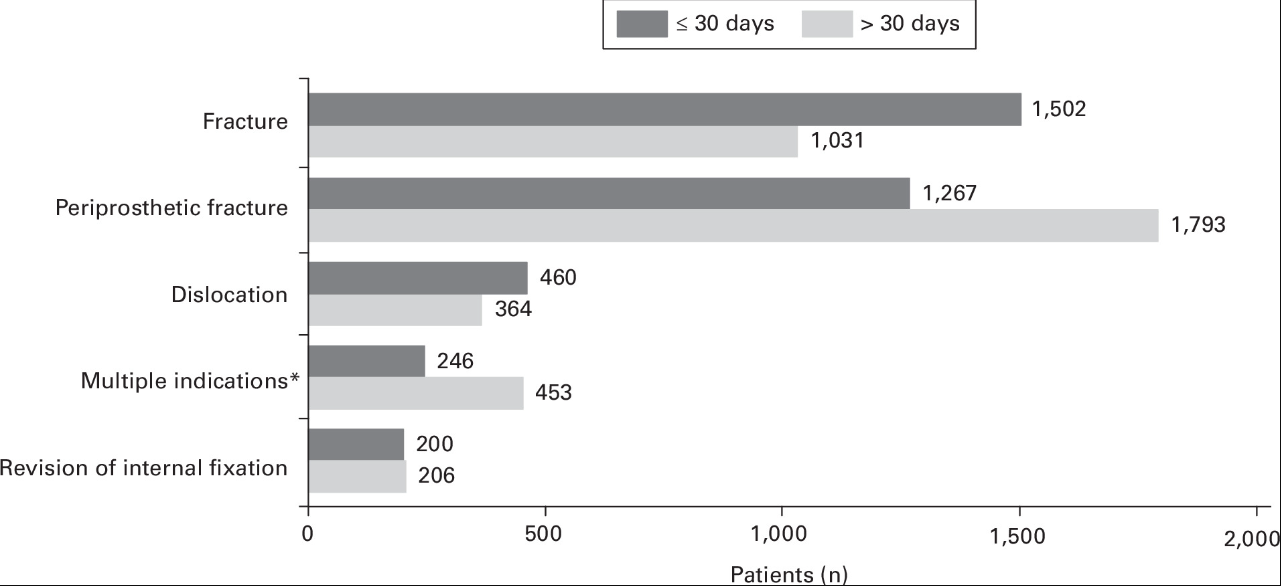
The study found that 4.6% of patients underwent at least one reoperation within 365 days of their initial procedure. The timing and reasons for reoperation varied considerably. Infection was the most common indication for reoperation within the first 30 days, whereas fracture around the implant (periprosthetic fracture) was the most common indication after 30 days.
Additional key findings included:
Hospital Variation
The risk of reoperation ranged from 2.3% to 9.4% between hospitals. This variation may reflect differences in patient populations, patient selection, surgical procedures, postoperative care, community support, and other patient-related factors.
Type of Fracture and Surgical Procedure
Reoperation risk was highest among patients with sub-trochanteric fractures treated with a cephalomedullary nail (7.2%).
Among patients with undisplaced intracapsular fractures, reoperation rates were 4.1% for internal fixation, 5.6% for total hip arthroplasty (THA), and 3.9% for hemiarthroplasty.
Age-Related Trends
Patients aged ≥90 years had lower reoperation rates (3.7%) compared with patients aged 60–69 years (6.2%), possibly reflecting differences in selection for further surgery.
Mortality
Overall mortality within 365 days of the initial presentation was 27.3%.
Mortality rates were similar between patients who underwent reoperation and those who did not (28.0% vs 27.3%, respectively).
The researchers concluded that these findings may support more informed shared decision-making regarding surgical options and provide valuable data to guide future choices of procedures and implants in this high-risk patient population.
Read the article here.
© 2026 Global Fragility Fracture Network | All Rights Reserved I Designed by Aaron Knight