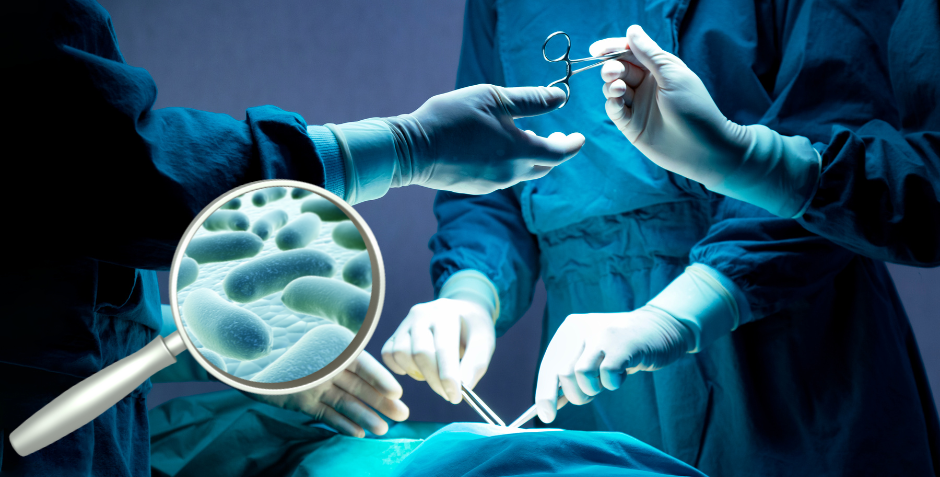
A recent study identified several significant independent prognostic risk factors for the development of Prosthetic Joint Infections (PJI) after hemiarthroplasty, including BMI, operation time and experience level of the surgeon.
The primary aim of this study was to identify risk factors and validate earlier reported risk factors for PJI after hemiarthroplasty. The secondary aim was to assess peri‑operative clinical outcomes, adverse events and mortality rates in PJI patients after hemiarthroplasty. 2044 patients were included in this observational cohort study, of which 72 patients developed PJI, according the MSIS criteria, after hemiarthroplasty.
The results showed that:
According to the authors: ‘A PJI is one of the most feared complications after hemiarthroplasty of the hip, causing high rates of morbidity and mortality. To enable preventive measures against PJI, further determination and validation of risk factors for PJI after hemiarthroplasty are needed.’
Read the article here!
© 2026 Global Fragility Fracture Network | All Rights Reserved I Designed by Aaron Knight